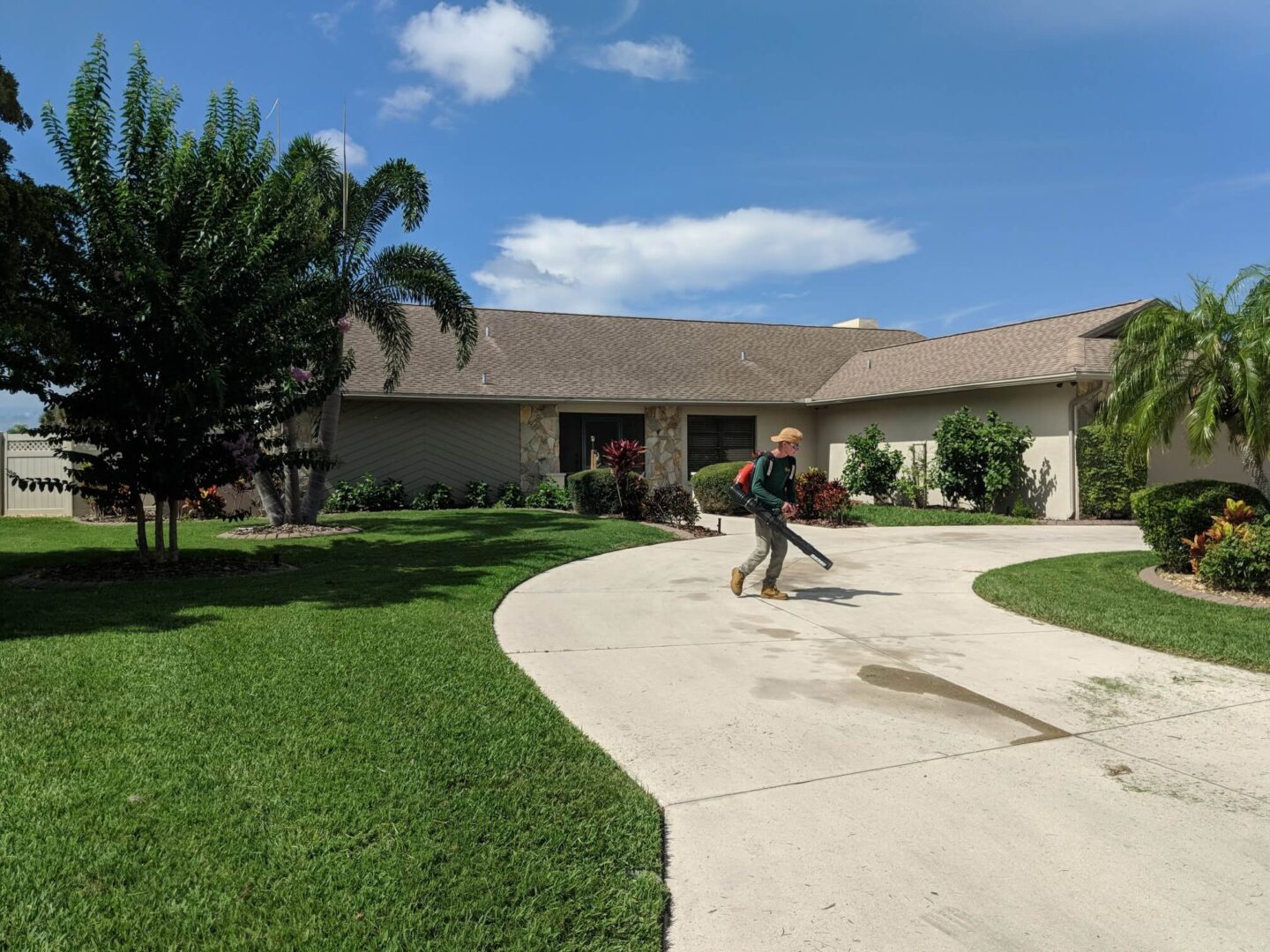
The Ultimate Guide to Choosing the Right Lawn Grass for Southwest Florida
Living in Southwest Florida means dealing with heat, humidity, and challenging sandy soil. Your lawn shouldn’t be a constant battle! If you’re a homeowner looking to achieve a lush, vibrant yard that can actually survive the Florida climate, you’ve come to the right place.
Choosing the right turfgrass is the single most important decision for your landscaping project. Here’s everything you need to know before you start planting.
3 Essential Factors to Consider First
Before you rush out and buy a pallet of sod, you need to understand the unique conditions of your yard. Ignoring these factors can lead to an expensive failure down the line.
1. Know Your Soil’s pH Level
Different grasses thrive at specific soil acidity levels. Since most of Florida’s sandy soils are acidic, many popular turf types do well here, but it’s always best to be sure.
- Action Step: Take a soil sample from your yard and have it tested. This simple step will ensure you select a grass variety that has the best chance of establishing and flourishing.
2. How Will You Use Your Yard?
A beautiful, high-maintenance yard is great for showing off, but not so great if it’s the main play area for kids and pets.
- If your yard sees high traffic (soccer, dogs running), you’ll need a tough, resilient variety.
- If your yard is primarily for aesthetics and light use, you have more options for softer, more delicate grass types.
3. Maintenance Costs and Effort
That perfect emerald green grass often comes with a hefty price tag—not just for the sod itself, but for the water, fertilizer, and time needed to maintain it.
Make sure the grass you choose fits your budget for watering, pest control, and frequent mowing. A low-maintenance variety might not be as perfectly manicured, but it will certainly save you time and money.
The Best Grass Varieties for SW Florida
The Southwest Florida climate is consistently warm, meaning we need grasses that can handle intense heat and resist the pests and diseases that thrive in humidity. Here are the four top contenders for your yard:
1. St. Augustine Grass (The Popular Choice)
St. Augustine is the most popular lawn choice in the region for a reason: it grows lush and full and handles hot climates exceptionally well.
| Cultivar | Key Features | Best Use |
|---|---|---|
| Floratam | Most widely produced; performs best in full sun. | Sunny, exposed areas. |
| Seville | Fine-leaved, dark green, and a low growth habit. | Great for sunny and partial shade areas. |
| Palmetto | Hardy and low maintenance with an outstanding emerald color. | Thrives in sun and shade (3-4 hours of direct light minimum). Tolerates challenging soil types (sand, clay, muck). |
| Bitterblue | Good shade and cold tolerance (developed in the 1930s). | Shadier areas, but be aware it is prone to fungal diseases and chinch bugs. |
2. Bahia Grass (The Low-Maintenance Star)
If you want an all-weather type of grass that demands less attention, Bahia grass is your ideal candidate. It’s incredibly resilient, highly resistant to most pests and diseases, and tolerates drought conditions well.
- Where to Use It: Bahia is affordable and cost-effective, making it perfect for outside perimeters, easements, or properties where the entire yard doesn’t need to be manicured.
- Keep in Mind: Avoid using it in heavily shaded areas, as it requires full sun to thrive.
3. Zoysia Grass (The Shade Lover)
If parts of your yard are shaded by mature trees or the house, Zoysia grass is often the best fit. While it is slow to establish, patience is a virtue here.
Once established, Zoysia creates a dense, carpet-like appearance that looks professionally manicured. It also handles high traffic from kids and pets surprisingly well.
4. Bermuda Grass (The High-Traffic Champion)
Bermuda grass compensates for its high maintenance cost by being incredibly tough. It tolerates high foot traffic and direct, intense sunshine quite well.
- The Downside: Bermuda is quite expensive to maintain because it requires frequent mowing and regular watering to look its best.
- Dormancy: It will go dormant (turn brown) during the winter season, but it invigorates quickly once the regular watering and warmth return in the spring.
Your Next Steps
You now have the tools to narrow down your choices! By prioritizing your soil’s needs, your family’s usage, and your maintenance budget, you can select the perfect grass for a thriving Southwest Florida yard.
Do you have a specific problem area—like heavy shade or poor drainage—that you’d like to troubleshoot first?