Rain Sensors: A Simple Upgrade That Saves Water and Protects Your Landscape
If you have an automatic irrigation system, installing a rain sensor is one of the easiest and most affordable ways to improve its efficiency. Also known as a rain shut-off device, a rain sensor automatically prevents your sprinkler system from running after sufficient rainfall.
Not only does this help conserve water, but it also keeps your lawn and plants healthier by preventing overwatering.
Why Is a Rain Sensor Important?
Many irrigation systems continue to water even after it rains unless they have a functioning rain sensor. This can lead to:
- Wasted water and higher utility bills
- Overwatered lawns and landscape beds
- Increased risk of fungal diseases
- Root rot and unhealthy plants
- Nutrient runoff into nearby waterways
A properly working rain sensor ensures your irrigation system only waters when your landscape actually needs it.
Choosing a Rain Sensor
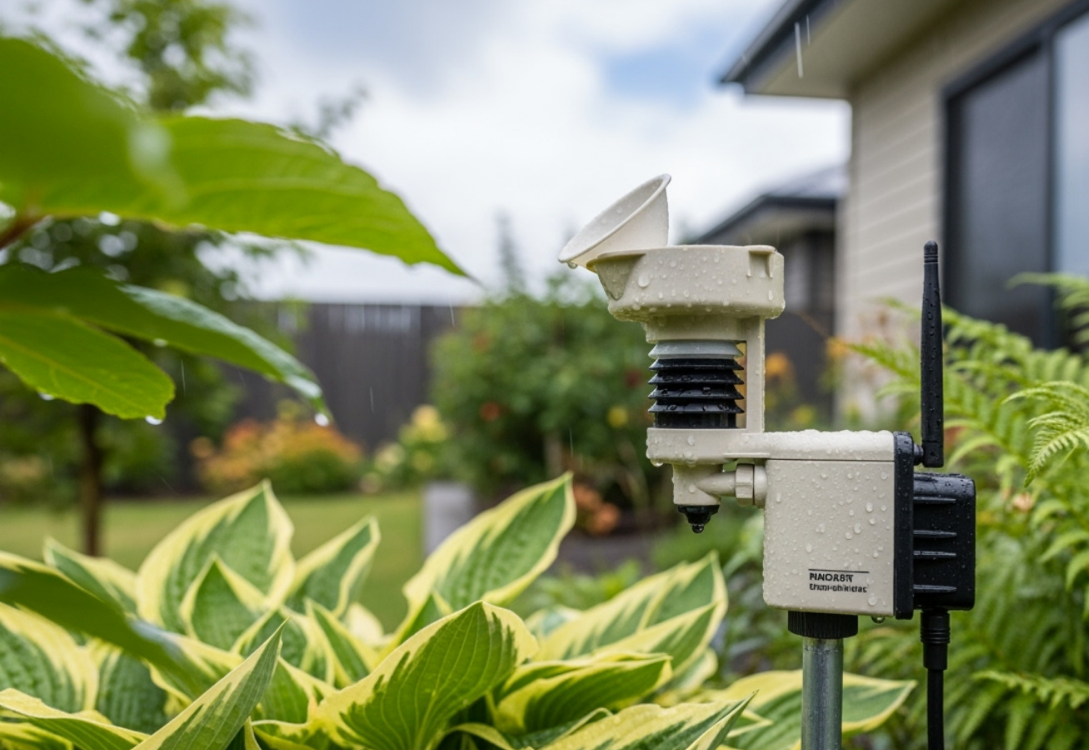
Rain sensors are inexpensive and widely available. You can purchase them at most home improvement stores or online retailers such as Amazon, Home Depot, and Walmart.
There are two common types:
- Wired rain sensors – Connect directly to your irrigation controller.
- Wireless rain sensors – Easier to install and ideal when running wires is difficult.
Both options work well when installed correctly.
Proper Installation
The location of the sensor is just as important as the sensor itself.
Install your rain sensor on a permanent structure such as:
- Roof eaves
- Fence posts
- Light poles
- Exterior walls
Choose a location where rain can fall directly onto the sensor. Avoid placing it under trees, roof overhangs, or any other obstruction that could prevent rainfall from reaching it.
How to Test Your Rain Sensor
A rain sensor only helps if it’s working properly. It’s a good idea to test it periodically, especially before the rainy season.
Step 1: Inspect the Sensor
Before testing, make sure the sensor:
- Is clean and free of dirt or debris
- Is not blocked by leaves or tree branches
- Is securely mounted and properly positioned
Step 2: Test During Rainfall
On a rainy day:
- Place three small containers around your yard.
- Wait until they collect an average of ½ inch of rain.
- Adjust your rain sensor to the ½-inch setting.
- Try turning on your irrigation system manually.
If the rain sensor is functioning correctly, the sprinkler system should not start.
Testing Cork-Disk Rain Sensors
If your system uses a cork-disk rain sensor:
- Turn on the irrigation system.
- Press and hold the sensor’s test button.
- The irrigation system should immediately shut off.
- Release the button, and the system should resume normal operation.
If the System Still Runs
If your irrigation system continues watering after the sensor should have shut it off:
- Check for loose or damaged wiring.
- Verify the sensor is correctly connected to the irrigation controller.
- Inspect the sensor for damage.
- Replace the sensor if necessary.
Save Water, Save Money
A rain sensor is a small investment that can make a big difference. By preventing unnecessary irrigation after rainfall, you’ll conserve water, lower your water bill, and help maintain a healthier lawn and landscape.
If you’re unsure whether your rain sensor is working properly or need assistance installing one, a professional irrigation technician can inspect your system and make sure it’s operating efficiently.
References
- University of Florida IFAS Extension – Rain Sensors and Rain Gauges
- University of Florida IFAS Extension – Rain Sensor Fact Sheet