Why We Don’t Recommend Weed Mat (Landscape Fabric) Under Mulch
Many homeowners assume that installing weed mat, weed barrier, or landscape fabric under mulch is the best way to prevent weeds. It sounds logical: place a barrier between the soil and the mulch, and weeds can’t grow.
Unfortunately, after years of maintaining landscape beds throughout Sarasota and Manatee Counties, we’ve found the opposite is often true.
At G&G Garden and Lawn Care, we generally do not recommend installing weed mat beneath mulch beds because it creates more problems than it solves.
The Myth: “Weed Mat Stops Weeds”
Landscape fabric can reduce weeds temporarily. However, it does not provide permanent weed control.
Over time, mulch breaks down into organic matter and creates a thin layer of soil on top of the fabric. Weed seeds carried by wind, birds, and rain then germinate in this new layer of organic material. Before long, weeds are growing on top of the fabric anyway. Once their roots become entangled in the fabric, they are often more difficult to remove than weeds growing directly in the soil.
Mulch Is Supposed to Improve Your Soil
One of the biggest benefits of organic mulch is that it slowly decomposes and enriches the soil beneath it.
As mulch breaks down, it adds organic matter, feeds beneficial microorganisms, improves soil structure, and provides nutrients for trees, shrubs, and flowers. Landscape fabric blocks this natural process by separating the mulch from the soil. Instead of enriching the soil, the decomposed mulch accumulates on top of the fabric.
Over time, this can lead to poorer soil health and less vigorous plant growth.
Water and Air Don’t Move as Well
Most landscape fabrics are marketed as being “permeable.” While water can initially pass through them, the fabric gradually becomes clogged by decomposing mulch, soil particles, and debris.
As this happens, water penetration decreases and air movement into the soil becomes restricted. Healthy roots need both water and oxygen to thrive. When either becomes limited, plants can become stressed and less healthy.
Maintenance Becomes More Difficult
Landscape beds change over time. Homeowners add plants, move shrubs, divide perennials, and update their landscaping.
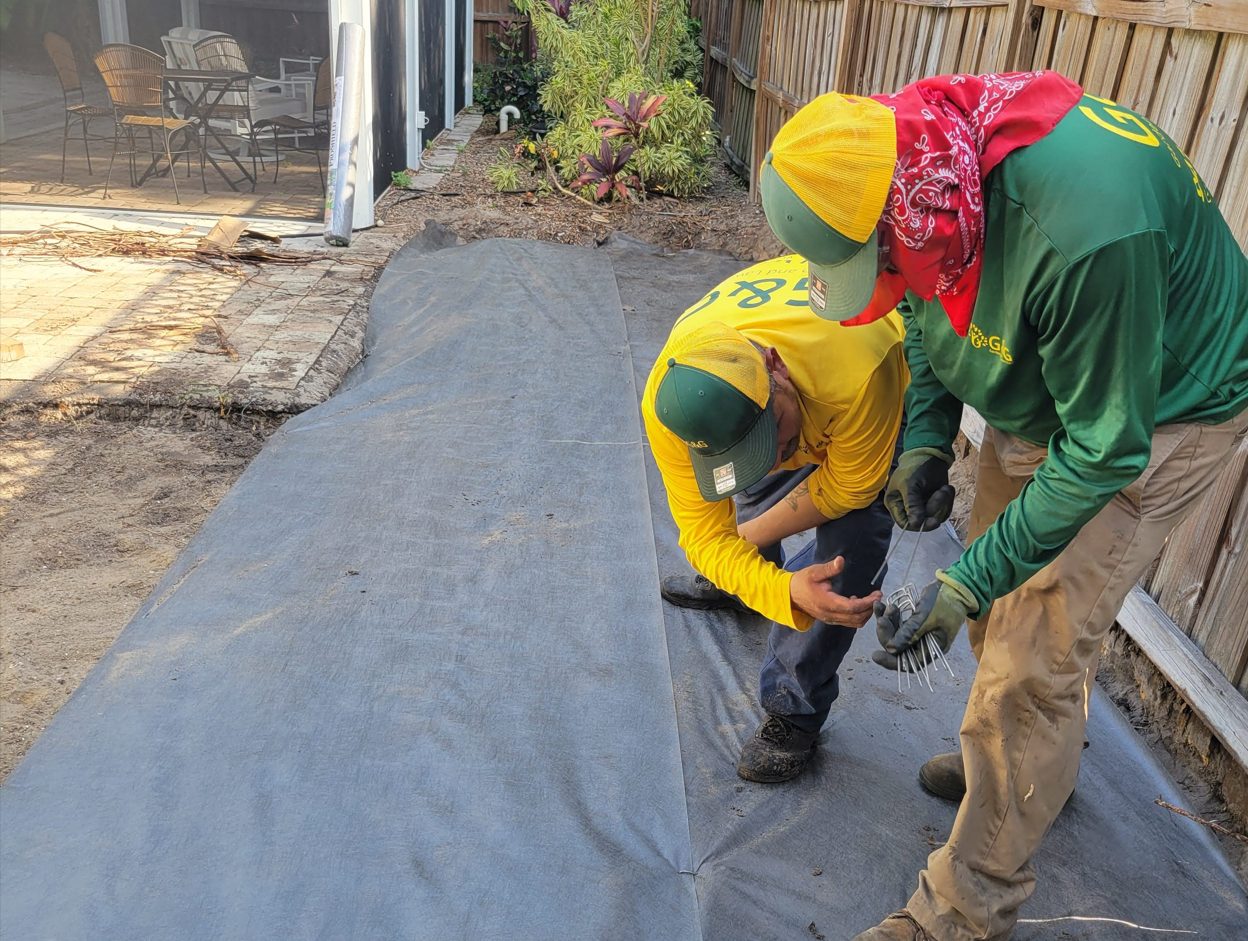
When weed mat is present, every new plant requires cutting another hole in the fabric. As years pass, the fabric becomes torn, exposed, and tangled with roots. Removing or replacing it later is often a frustrating and labor-intensive project.
Many homeowners eventually pay to have old landscape fabric removed because it has become more of a nuisance than a benefit.
What We Recommend Instead
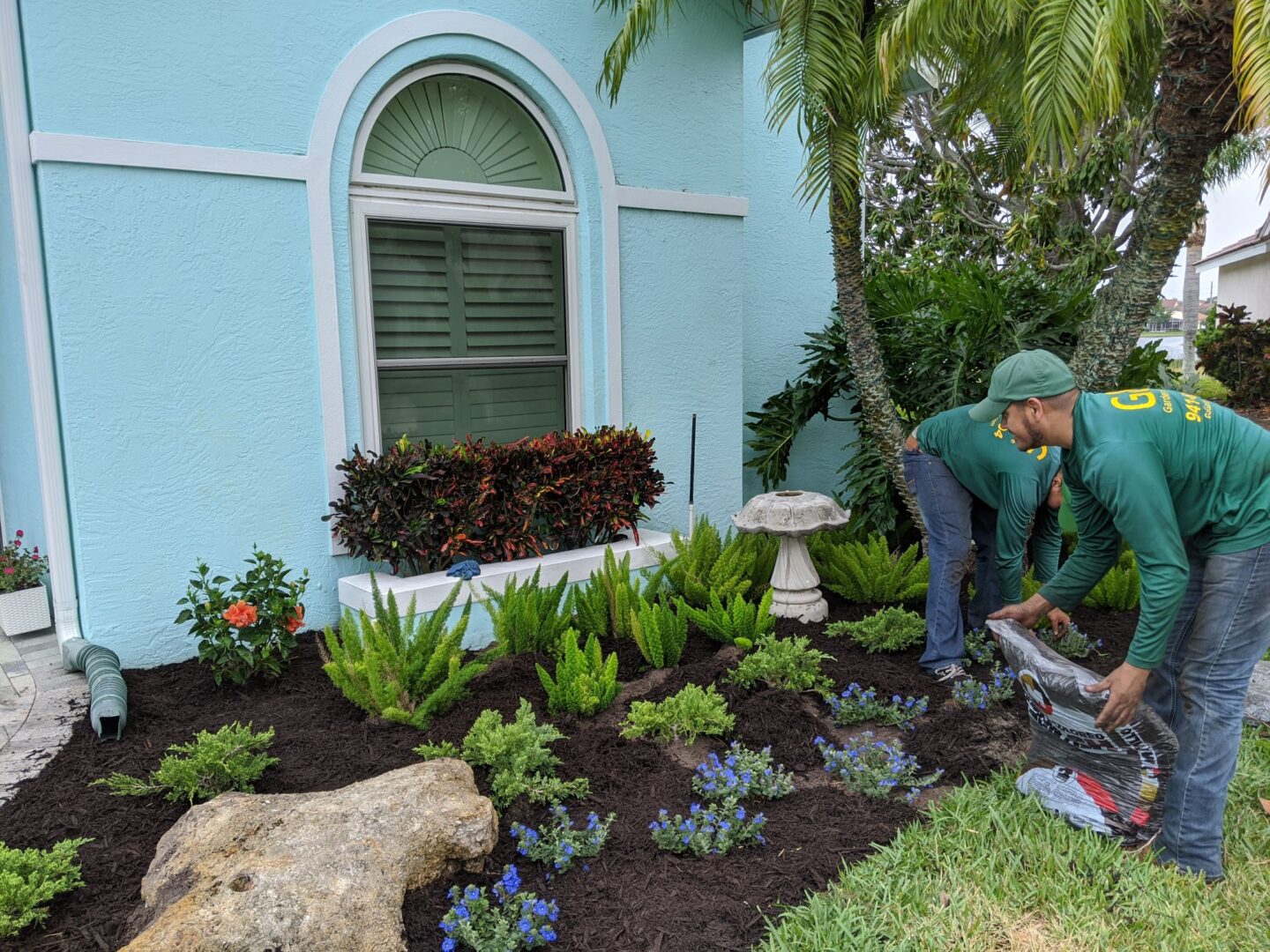
For most landscape beds, a properly installed layer of quality mulch provides excellent weed suppression without the drawbacks of landscape fabric.
We typically recommend:
- Applying 2–4 inches of mulch.
- Refreshing mulch as needed.
- Pulling weeds before they become established.
- Maintaining regular garden bed service.
A healthy mulch layer naturally blocks sunlight from reaching weed seeds while allowing water, air, and nutrients to move freely into the soil. As it decomposes, it continues improving the health of your landscape.
Are There Any Situations Where Weed Mat Makes Sense?
Yes.
Landscape fabric can be useful beneath decorative rock, gravel pathways, and certain hardscape applications where no plant growth is desired. In these situations, the material on top does not decompose like mulch does, so the fabric remains more effective.
However, for landscape beds containing trees, shrubs, flowers, and organic mulch, we believe the long-term disadvantages outweigh the short-term benefits.
Final Thoughts
Landscape fabric may seem like a permanent solution for weed control, but in most mulch beds it eventually leads to more weeds, poorer soil health, and increased maintenance.
That’s why at G&G Garden and Lawn Care we generally recommend skipping the weed mat and investing in quality mulch and proper landscape maintenance instead. Your plants, soil, and future self will thank you.